The Ultimate Guide to Venetian Plaster & Microcement

Share
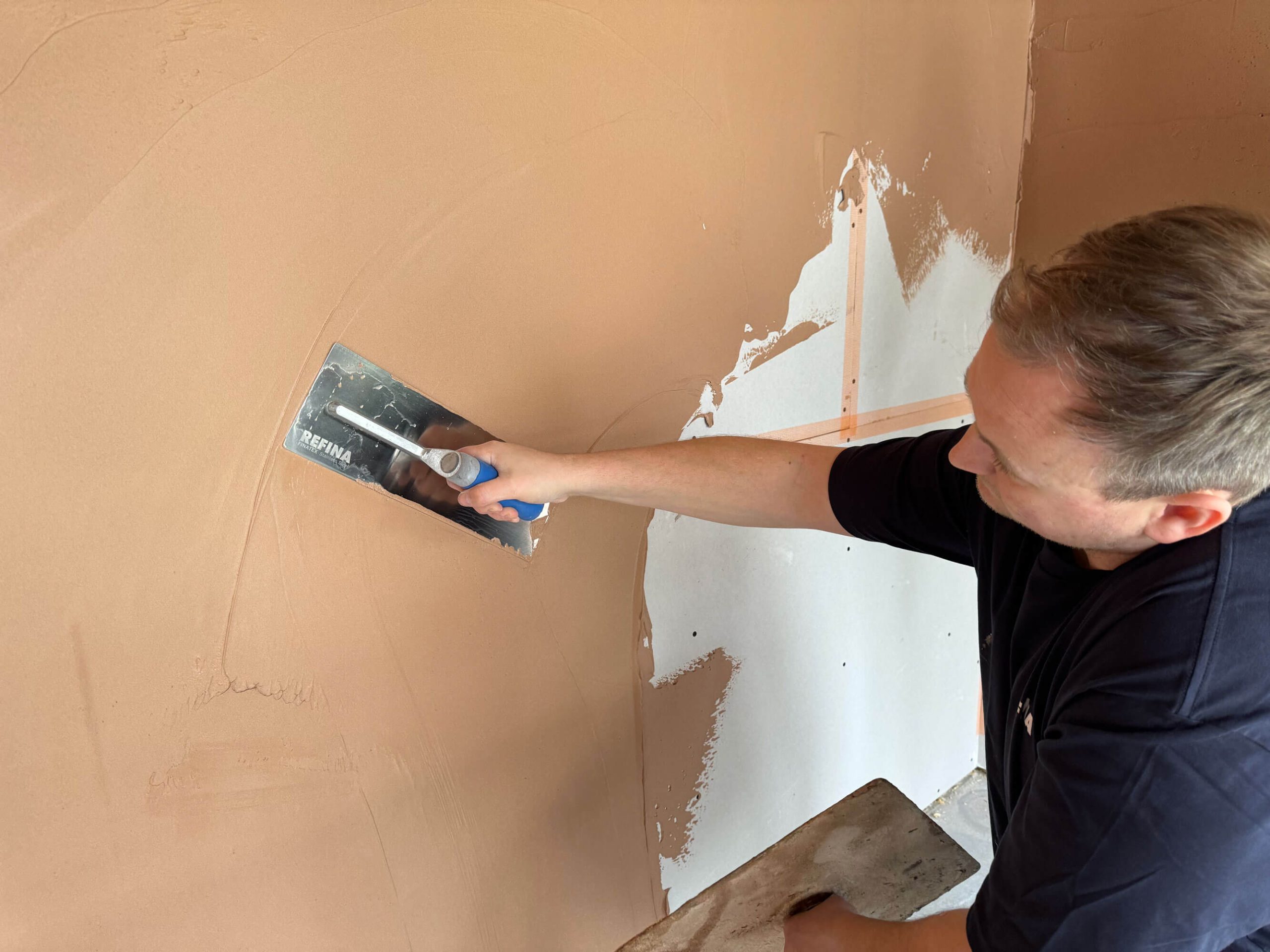
Venetian plaster and microcement have become increasingly popular choices for creating decorative finishes across residential and commercial interiors. Both materials offer alternatives to conventional paint and tiles, providing distinctive textures, colours and contemporary appearances.
Although they can sometimes look similar, Venetian plaster and microcement differ in composition, application methods and suitability for different environments. Venetian plaster is traditionally associated with polished, marble-like finishes, while microcement creates a concrete-inspired appearance across walls, floors and other suitable surfaces.
Achieving a professional result depends on more than selecting the right material. Proper surface preparation, consistent application techniques and suitable specialist tools all contribute to the quality and longevity of the finished surface.
In this guide, we’ll explore the differences between Venetian plaster and microcement, their applications, essential tools, common problems and best practices for achieving a professional decorative finish.
What is Venetian Plaster?
Venetian plaster is a decorative wall and ceiling finish traditionally made using lime-based binders and finely ground marble or other mineral aggregates. Modern formulations vary, allowing different textures and appearances to be achieved.
The material is typically applied in several thin coats, with specialist trowels such as plastic trowels, plastering trowels & polishing trowels. Even small & detail tools are used to spread, flatten and refine the surface. Depending on the product and application technique, Venetian plaster can create anything from a subtle matt texture to a highly polished finish resembling natural marble.
Venetian plaster is commonly used for:
- Decorative feature walls
- Living rooms and reception areas
- Hotels and hospitality interiors
- Commercial spaces
- Period property renovations
Benefits of Venetian Plaster
Decorative versatility: Different application and burnishing techniques allow applicators to create a wide range of textures, colours and polished effects.
Visual depth: Layering creates subtle variations in colour and texture, giving walls a distinctive appearance that differs from conventional painted surfaces.
Seamless-looking finishes: When applied correctly, Venetian plaster creates a continuous decorative surface without the visible joints associated with tiles.
Potential breathability: Traditional lime-based formulations can be vapour permeable, although actual performance depends on the complete system and any protective treatments used.
Venetian plaster is particularly suitable for decorative walls and ceilings where appearance is a priority. However, standard products should not automatically be considered waterproof or suitable for continuously wet environments.
What is Microcement?
Microcement is a thin decorative coating system commonly formulated using cementitious materials, polymers, pigments and other additives. It is applied in thin layers over a suitably prepared substrate to create a contemporary, concrete-inspired finish.
Depending on the manufacturer’s system, microcement can be used on walls, floors, stairs, worktops and other suitable surfaces.
Common applications include:
- Contemporary residential interiors
- Bathroom and wet-room finishes
- Kitchen walls and selected worktops
- Decorative flooring
- Staircases and commercial interiors
Benefits of Microcement
Contemporary appearance: Microcement creates a modern, concrete-inspired finish suitable for minimalist interiors and contemporary architectural designs.
Continuous surfaces: Correctly installed systems can provide a continuous appearance across large areas, reducing the visual interruption associated with conventional tiles and grout lines.
Versatile applications: Depending on the product specification, microcement can be used across several surface types to create a consistent decorative style.
Refurbishment potential: Some systems can be installed over existing tiles or other suitable finishes, potentially reducing removal work. The background must be stable and compatible with the specified system.
Microcement is not inherently waterproof. Wet-area applications require a system specifically designed for those conditions, with appropriate substrate preparation, waterproofing provisions and protective sealers.
Venetian Plaster vs Microcement: What Are the Differences?
Although both materials can create continuous-looking decorative surfaces, their characteristics make them suitable for different projects.
Appearance
Venetian plaster is generally selected for its visual depth, tonal variation and ability to reproduce polished marble-like finishes.
Microcement typically provides a more contemporary, concrete-inspired appearance, although its texture and finish vary according to the product and application technique.
Application
Venetian plaster is usually applied in several thin coats, with the final appearance developed through layering, trowelling and, where appropriate, burnishing.
Microcement systems may involve primers, reinforcement, basecoats, finishing coats and protective sealers. The precise process depends on the manufacturer’s specification and intended application. Both finishes require a properly prepared substrate because surface defects can remain visible through the completed coating.
Suitability and Maintenance
Venetian plaster is predominantly used for decorative walls and ceilings, while microcement can also be suitable for selected floors, stairs and wet-room surfaces when the complete system is designed for those applications. The durability of both finishes depends on installation quality, substrate condition and maintenance. Protective treatments may be required, and microcement sealers may need renewal over time.
Ultimately, Venetian plaster is often the preferred choice for decorative, marble-like walls, while microcement is worth considering when a continuous, concrete-inspired finish is required across multiple surface types.
Preparing the Surface Before Application
Careful substrate preparation is essential for both materials. Decorative coatings are often applied in thin layers, meaning imperfections can remain visible through the finished surface.
Before beginning work, check for:
- Loose or flaking material
- Dust, grease and contamination
- Cracks or signs of movement
- Uneven areas and surface defects
- Dampness or water ingress
- Existing coatings that could affect adhesion
Any underlying problems should be addressed before application begins. Remove loose material and contamination using appropriate preparation methods. Depending on the background, filling, sanding, levelling or mechanical preparation may be required.
Primers and basecoats should be selected according to the substrate and chosen system. Some microcement installations also require reinforcement mesh or additional basecoat layers. Avoid combining products from different systems unless compatibility has been confirmed. Correct preparation provides a more reliable foundation for the decorative finish.

How to Apply Venetian Plaster
Although application methods vary by product, Venetian plaster generally involves several stages.
First Coat Application
Apply the initial coat evenly across the prepared surface using a suitable Venetian plaster trowel. Maintain consistent coverage and avoid excessive ridges or uneven build-up. The required thickness and application technique should follow the manufacturer’s instructions.
Building Up the Finish
Additional coats are applied once the preceding layer has reached the appropriate condition. These layers establish the final colour, texture and visual depth. Applicators can vary the direction and pressure of their trowel movements to achieve the desired decorative effect.
Consistency is particularly important across large walls, where differences in technique can become noticeable under natural or artificial lighting.
Burnishing and Polishing
Some Venetian plaster finishes are burnished to create a smoother surface with increased sheen. This stage requires careful control of pressure, timing and tool angle. Unsuitable tools or excessive pressure can introduce scratches and unwanted marks.
Specialist polishing trowels can help applicators achieve a controlled, consistent result when matched to the material and finishing technique. Depending on the product, a compatible wax or protective treatment may then be applied. Always follow the manufacturer’s guidance regarding suitable applications and maintenance.
How to Apply Microcement
Microcement application involves several stages designed to create the specified appearance and performance.
Preparation and Basecoat
Confirm that the substrate is stable, suitably level and compatible with the chosen system. Apply the specified primer and any required reinforcement before installing the basecoat.
The basecoat should be applied evenly, with the specified thickness and drying or curing time observed before subsequent layers are added.
Finishing Coat
Apply the finishing material using suitable trowels or spatula knives, maintaining consistent coverage and technique.
Application pressure and the direction of tool movements can influence the final texture. Avoid unnecessary adjustments once the material begins to set, as these can create marks or inconsistencies.
Sanding and Sealing
Depending on the system, intermediate sanding may be required to refine the surface.
Once the specified layers are complete, apply the appropriate protective sealer where required. This is particularly important for surfaces exposed to moisture, cleaning products or regular foot traffic.
Follow the manufacturer’s instructions for curing times and when the surface can be used.
Essential Tools for Venetian Plaster and Microcement
Using the correct tools helps improve application control, surface consistency and overall finish quality. Decorative coatings often require specialist equipment capable of handling thin materials without introducing scratches or drag marks.
Polishing Trowels
Polishing trowels are used to apply, refine and burnish many Venetian plaster finishes. Blade shape, flexibility and edge treatment influence how the material behaves during application. Smaller trowels can provide greater control around corners and detailed areas, while suitable blade profiles help maintain consistency across larger surfaces.
REFINA offers a range of professional polishing trowels designed for Venetian plaster, decorative plasters and microcement applications. Features such as polished stainless steel blades and appropriately finished edges can help reduce unwanted marks when the tools are used correctly.
Spatula Knives
Spatula knives are useful for applying and smoothing decorative materials around architectural details, confined areas and surfaces requiring precise control. Different blade widths and levels of flexibility allow applicators to choose tools suited to the material and stage of work.
REFINA’s spatulas and knives provide options for handling a variety of finishing materials.
Mixing and Preparation Equipment
Depending on the product, suitable mixing equipment may be required to achieve an even consistency and distribute pigments or additives correctly.
Preparation tools, including scrapers and sanding equipment, help remove loose material and create a suitable background before application.
Follow the manufacturer’s instructions for mixing and preparation, as incorrect material consistency or an unsuitable substrate can affect the finished result.
Tool Maintenance
Keeping tools clean is particularly important when working with fine decorative materials. Dried residue or particles on a trowel blade can scratch the surface or introduce unwanted marks. Clean tools at the intervals recommended by the manufacturer and inspect blade edges throughout the application process.

Common Problems When Applying Venetian Plaster and Microcement
Even experienced applicators can encounter problems when preparing or finishing decorative coatings.
Scratches and Drag Marks
These can occur when a blade is damaged, contaminated or unsuitable for the material. Excessive pressure and incorrect finishing techniques can also affect the surface. Use appropriate specialist tools, maintain clean blade edges and follow the manufacturer’s finishing recommendations.
Uneven Colour and Texture
Variations may result from inconsistent mixing, changes in application pressure, uneven material thickness or differences in drying conditions. Maintain a consistent technique and follow guidance on material preparation and batch consistency.
Poor Adhesion
Poor adhesion can occur when the substrate is unstable, contaminated, damp or incompatible with the selected system.
Assess the background carefully and use the specified primers and basecoats before applying the decorative finish.
Cracking
Cracking may be associated with substrate movement, shrinkage, inadequate reinforcement or unsuitable application conditions.
Address underlying defects before application and follow the manufacturer’s requirements for reinforcement and movement joints.
Water Damage
Moisture-related problems can develop when a finish is used outside its intended application or when protective coatings are incorrectly applied or maintained.
Confirm that the selected system is suitable for the environment, particularly in bathrooms and wet rooms, and ensure the required waterproofing and sealing measures are in place.
Best Practice for a Professional Decorative Finish
Achieving a high-quality result requires attention to detail throughout preparation, application and finishing. Before starting work, confirm that the substrate is suitable and that all materials are compatible with the selected system.
Maintain consistent application thickness and technique, paying particular attention to transitions between working areas. Decorative finishes can highlight minor variations, especially under directional lighting. Use specialist trowels and spatula knives appropriate to the material, and keep them clean and in good condition throughout the job.
Temperature, humidity and ventilation can influence workability and curing, so follow the manufacturer’s recommendations for application conditions.
Finally, allow sufficient time for the complete system to dry or cure before polishing, sealing, cleaning or putting the surface into use. Rushing these stages can compromise the finished appearance and performance.
Final Thoughts
Venetian plaster and microcement offer versatile options for creating distinctive decorative surfaces across residential and commercial interiors. Although both can produce continuous-looking finishes, their appearance, application requirements and suitability differ.
Venetian plaster is particularly suited to decorative walls and ceilings where depth, texture and polished effects are important. Microcement offers a contemporary, concrete-inspired finish that can be used across a broader range of surfaces when the correct system is specified.
Achieving a professional result depends on careful substrate preparation, compatible materials, consistent application and suitable finishing tools.
REFINA offers a range of professional polishing trowels and specialist hand tools to support tradespeople working with decorative plasters and microcement systems.
By understanding the differences between these materials and selecting the right tools and application methods, plasterers and specialist applicators can achieve high-quality decorative finishes suited to their projects.
For further guidance on selecting the right tools and techniques, explore our related guides:
- How To Choose The Right Plastering Trowel for Every Stage of Skimming
- The Best Surface Preparation Tools for Any Flooring Project
- The Ultimate Guide to Plastering Tools for Different Jobs
- How to Remove Old Adhesive, Paint or Screed Using Diamond Grinding Equipment
- Top 5 Most Durable Plastering Trowels in 2026