LOADING

Type to search

Top 5 Most Durable Plastering Trowels in 2026

Basics Guides Tools

Top 5 Most Durable Plastering Trowels in 2026

Share

Durability is a key factor in determining a plastering trowel’s performance, as it directly influences the quality of the finish, user fatigue, and long-term on-site consistency. A trowel that maintains its edge, retains its profile, and performs reliably with repeated use allows plasterers to work with greater control throughout the application process.

As materials continue to evolve and site programmes become increasingly compressed, 2026 reinforces the shift toward purpose-built, stage-specific trowels rather than general-purpose tools that rely on compromise. Below, we explore five of the most durable plastering trowels in the REFINA range, focusing not only on blade longevity but on how each tool performs after weeks and months of real-world use.

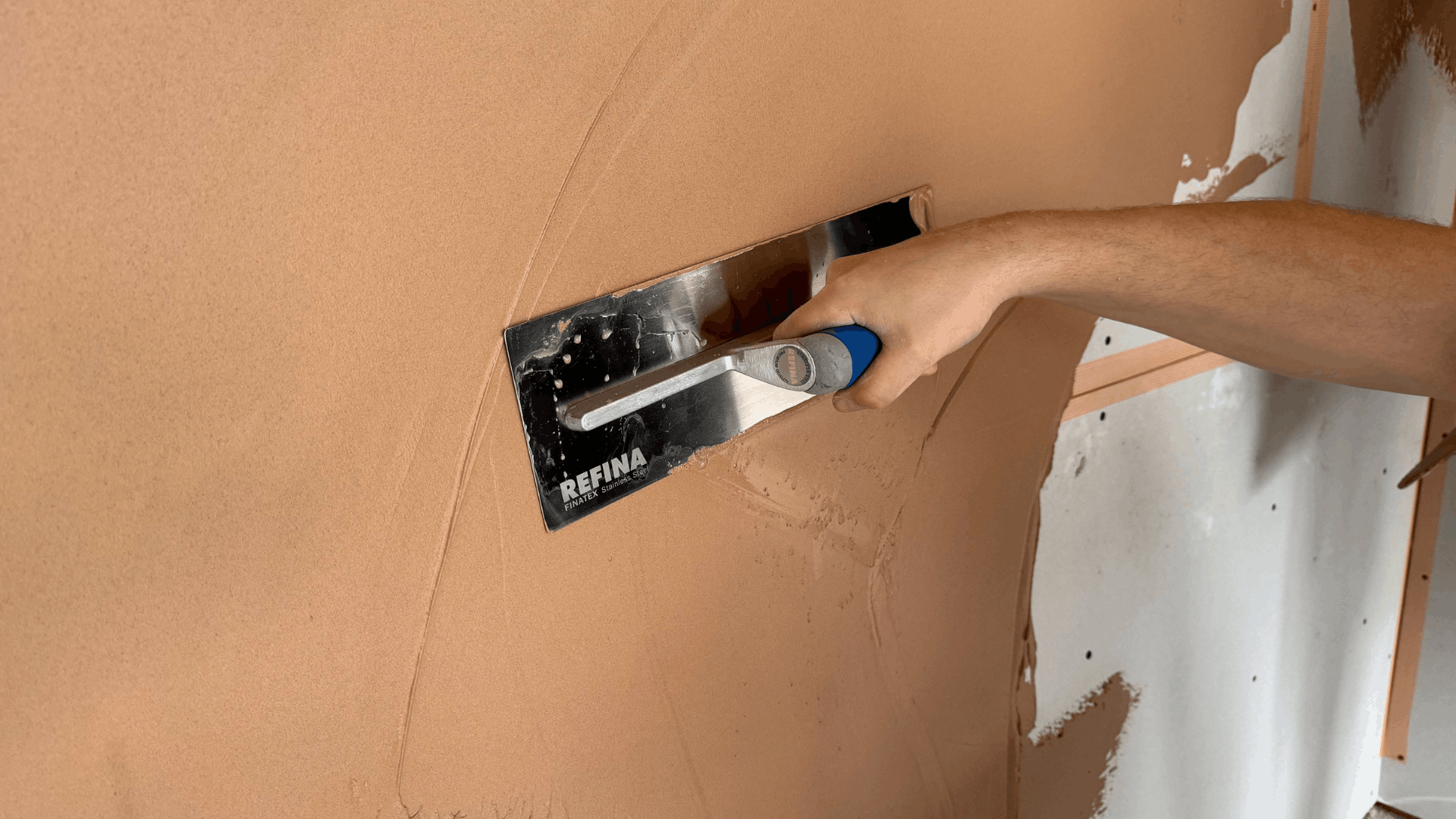
Why Trowel Durability Still Matters

A durable trowel does three things consistently:

  • Maintains finish quality: flat blades stay flat, edges stay clean, and flex stays predictable.
  • Reduces fatigue: less pressure is needed, which means less strain on elbows, shoulders, and wrists.
  • Saves money in the long term: fewer replacements, fewer ruined finishes, and less rework.

What Actually Affects Trowel Durability?

Blade Material & Gauge

Thinner blades flex more but wear faster if the alloy isn’t right. Thicker blades last longer but need better edge finishing to avoid drag. The alloy formulation matters as much as the thickness.

Construction Method

Rivets, adhesive bonding, or integrated plates all affect how long a blade stays true. Poor construction shows up as chatter, twist, or micro-flex where you don’t want it.

Handle & Balance

A durable blade is useless if the handle transfers vibration or forces you to over-grip. Fatigue accelerates mistakes, especially towards the end of the day.

1. SUPERFLEX-1

Blade: 0.4mm stainless steel
Design: Intermediate plate flex system
Best for: Final finishing stages

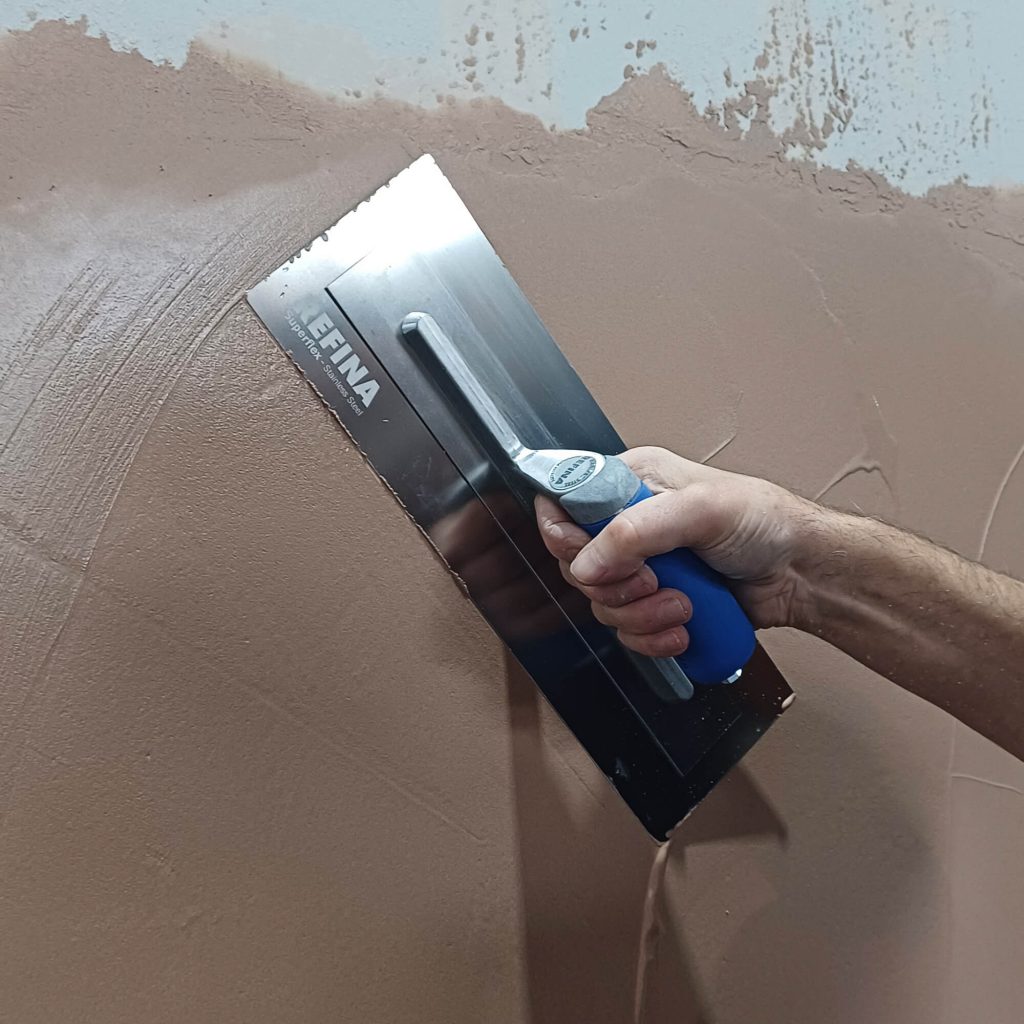
The SUPERFLEX-1 is deliberately narrow in application, and that’s why it lasts. Designed purely for finishing, its ultra-flexible 0.4mm stainless steel blade uses an intermediate plate that keeps the working edge straight while allowing controlled flex across the width.

On-site, this results in less pressure being needed to close the surface, which reduces wear on both the blade and your forearm. Because it’s not used for laying on, the edge stays cleaner for a longer period.

Key Features

  • 125mm wide 0.4mm stainless steel blade
  • Very short break-in period
  • Exceptional edge consistency
  • Minimal drag on tight finishes
  • Gel thumb placement pad
  • Known as the ‘original’ flexible plastering trowel

Ideal Applications

  • Finishing and smoothing
  • Walls and ceilings
  • Plasters and special finishes

2. SUPERFLEX-2

Blade: 0.4mm stainless steel
Design: Longer intermediate plate
Best for: Flattening and finishing

The SUPERFLEX-2 adds durability through control as it’s slightly stiffer than the SUPERFLEX-1. The intermediate plate stiffens the blade lengthwise while retaining lateral flex, meaning the blade is less prone to twisting under pressure.

In live site conditions, this makes it easier to maintain consistent pressure across wider passes, especially on ceilings. The blade wears evenly, rather than developing hot spots.

Key Features

  • 120mm wide 0.4mm stainless steel blade
  • Balanced flex without instability
  • Excellent wear profile
  • Radiused corners
  • Gel thumb placement pad
  • Longer bracket for a stiffer trowel experience

Ideal Applications

  • Finishing and smoothing
  • Skimming plasters 
  • Internal wall finishes
  • Smoothing floor levelling compounds

3. SUPERFLEX-3

Blade: 0.5mm rose gold stainless steel
Design: Flex system with added stiffness
Best for: Multiple plastering stages

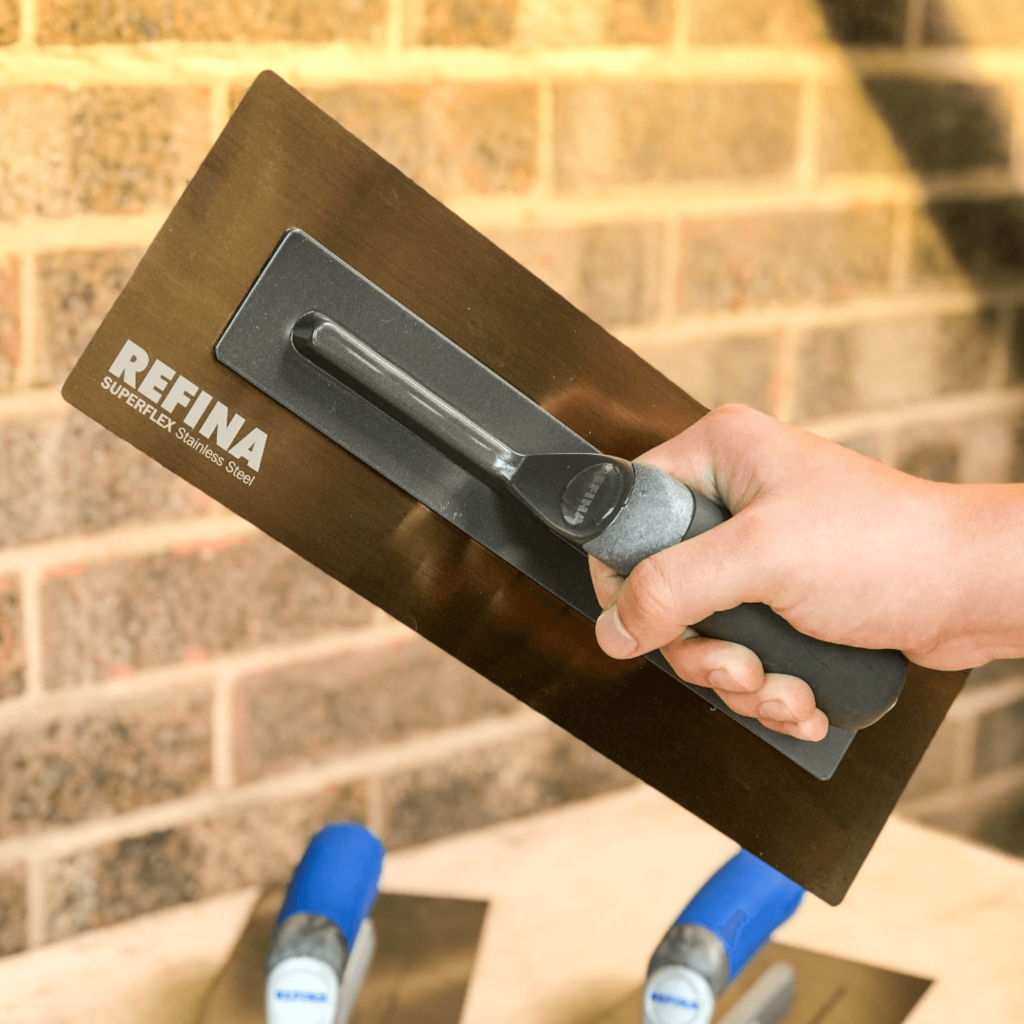
The SUPERFLEX-3 is often the longest-serving trowel in a plasterer’s kit. The 0.5mm rose gold alloy blade adds durability without losing the flex benefits of the SUPERFLEX design.

On-site, this means fewer blade changes throughout the day. You can lay on, flatten, and finish with confidence, knowing the blade won’t soften or lose its profile halfway through the week.

Key Features

  • Handles multiple stages well
  • Strong edge retention
  • Gel thumb placement pad
  • Radiused corners and finished blade edges

Ideal Applications

  • Finishing and smoothing
  • Skimming plasters
  • Internal wall finishes
  • Smoothing floor levelling compounds

4.FINATEX-1

Blade: 0.65mm stainless steel

Design: Flat, rivet-free working face

Best for: Applying, smoothing, and finishing

The FINATEX-1 offers greater rigidity than the FINATEX-2 and is designed for backing and finishing plasters and render applications. Featuring a 0.65 mm stainless steel blade, it’s ideal for traditional laying-on and general-purpose use, making it a popular choice among professionals.

Key Features

  • Durable fixing plate system
  • Radiused corners and finished edges
  • Minimal break in time due to the pre-worn base
  • Long bracket

Ideal Applications

  • Plaster, render, and cement applications.

5. FINATEX-2

Blade: 0.5mm rose gold stainless steel
Design: Flat, rivet-free working face
Best for: Finishing lightweight plaster

FINATEX-2 blends traditional trowel feel with modern durability. The 0.5mm rose gold alloy provides a reliable balance of flexibility and strength, while the flat blade profile minimises drag.

On site, this is the trowel many reach for when they want predictable behaviour, especially when finishing lightweight plasters or compounds late in the set.

Key Features

  • Durable fixing plate system
  • Radiused corners and finished edges
  • Minimal break in time 

Ideal Applications

  • Plaster and drywall applications
  • Finishing and smoothing lightweight plasters and compounds

How to Make Any Trowel Last Longer

  • Clean blades immediately after use, as dried plaster accelerates wear
  • Store flat or protected, twisted blades don’t recover
  • Use the right trowel for the right stage
  • Avoid forcing flex where it isn’t designed

Durability isn’t just what the tool is made of; it’s how it’s used.

Why the Right Trowel Still Matters at the End of the Day

The most durable trowel isn’t always the thickest or the hardest. It’s the one that stays predictable, day after day, without asking more from your body than it should. REFINA’s strength in 2026 isn’t just materials; it’s designing tools that behave properly when the pressure is on, and the wall is nearly set.

That consistency is what keeps professionals coming back, and what keeps finishes looking right long after the job is signed off.

Leave a Comment