How To Choose The Right Plastering Trowel for Every Stage of Skimming

Share
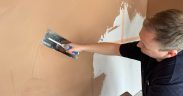
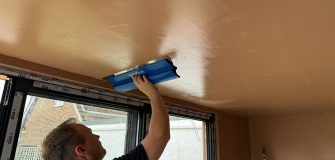
Skimming plays a crucial role in plastering as it forms the final layer applied to a wall or ceiling. Its purpose is to conceal imperfections, eliminate scratches and create a smooth, even surface so primers and paint can be absorbed consistently across the entire area.
The quality of a skim isn’t determined solely by technique or plaster. The plastering trowel you use at each stage has a significant impact on the final result. From laying on the first coat to achieving a polished finish, selecting the right trowel can make the job faster, reduce effort and help produce a flatter, higher-quality finish.
In this guide, we’ll explain which trowel is best suited to each stage of skimming, the differences between rigid, semi-flexible, flexible and plastic finishing trowels, and how choosing the right blade size, shape and handle can improve both the quality of your work and your comfort on site.
Quick Overview of Plastering Trowels
While some professional plasterers prefer to work with a single trusted trowel, many switch between different blade types as the plaster firms up. Each type offers distinct characteristics that make it better suited to different stages of the skimming process.
Rigid Trowels
Rigid stainless steel trowels provide the stability and control needed when laying on plaster and flattening the first coat. Their firm blades allow consistent pressure to be applied, helping create an even surface.
Semi-Flexible Trowels
Semi-flexible trowels feature a slightly thinner blade that retains rigidity through the centre while allowing a small amount of flex at the edges. They provide an ideal balance between control and finishing performance.
Flexible Trowels
Manufactured with ultra-thin blades, flexible trowels naturally bend to follow the contours of the wall. This helps maintain even contact across the surface, reducing trowel lines and producing a smoother finish.
Plastic Trowels
Plastic finishing trowels, such as REFINA’s PLAZIFLEX range, feature interchangeable plastic blades for final polishing. They help minimise burn marks and leave an exceptionally clean finish, particularly on modern finishing plasters.

Why Trowel Selection Matters
A plastering trowel does more than simply spread plaster. It influences how much pressure is applied to the surface, how smoothly the blade glides across the wall and ultimately the quality of the finished skim.
Using the wrong trowel can lead to:
- Drag lines and trowel marks
- Uneven pressure across the wall
- Excessive polishing or burnishing
- Increased wrist and shoulder fatigue
- Longer finishing times
- More remedial work before decorating
By choosing the correct trowel for each stage of the process, you can achieve a flatter finish with less effort while reducing unnecessary strain on your body.
Stage 1: Laying On the Plaster
The laying-on stage is all about applying an even coat of plaster and distributing the material efficiently across the surface. At this stage, the plaster is at its softest, so you need a blade that offers stability and control rather than flexibility.
Best choice: FINATEX-1
The FINATEX-1 is a rigid trowel that allows you to apply firm, consistent pressure while maintaining a flat coat. Because the blade doesn’t flex under load, it’s easier to level the plaster and build an even thickness across the wall.
- 0.65mm stainless steel blade
- No exposed rivets, allowing for smoother passes
- Mechanically broken in to minimise the break-in period
Stage 2: First Flatten
Once the plaster begins to firm up, the focus shifts from application to refinement.
The aim of the first flatten is to remove ridges, fill minor hollows and create a flatter, more uniform surface before the plaster begins to tighten further.
A rigid trowel still performs well at this stage, though many plasterers prefer a slightly more flexible blade depending on the condition of the plaster. The objective is to close the surface without overworking it or unnecessarily disturbing the material.
Best choice: FINATEX-2 or SUPERFLEX-2
The FINATEX-2 rose gold trowel is ideal for flattening and identifying high and low spots. The FINATEX-2 features a 0.5mm stainless steel blade and offers the perfect balance between firmness and flexibility.
The SUPERFLEX-2 is also a strong contender, with a 0.4mm gauge blade, but features a longer intermediate backing plate. This improves stiffness down the centre to assist with flattening, while keeping the outer edges flexible for a cleaner finish.
Stage 3: Refining the Finish
As the plaster continues to tighten, flexibility becomes increasingly beneficial.
Rather than forcing a rigid blade across a firmer surface, a flexible finishing trowel naturally follows subtle movements in the wall while maintaining consistent contact across the full width of the blade. This allows pressure to be distributed more evenly, making it easier to remove minor imperfections without introducing new lines or marks.
The result is a flatter, cleaner finish with less chatter and fewer trowel lines.
Best choice: SUPERFLEX-1, SUPERFLEX-2 and SUPERFLEX-3
The SUPERFLEX range is available in both 0.4mm and 0.5mm blade gauges, with widths of 120mm and 125mm to suit different plastering preferences. The SUPERFLEX-1 is the most flexible model in the range and has become a firm favourite among professional plasterers for achieving exceptionally smooth finishes. The SUPERFLEX-2 offers a little more rigidity, providing greater control while retaining excellent flexibility, while the SUPERFLEX-3 is the stiffest option, making it an ideal all-round finishing trowel for those who prefer additional blade support.
Stage 4: Final Trowel and Polishing
The final trowelling stage has the greatest influence on the overall appearance of the finished plaster.
By this point, the plaster has firmed up considerably, so only light pressure is required. Rather than redistributing material, the focus shifts to refining the surface, closing the plaster, and removing any remaining imperfections, leaving it ready for decorating.
Best choice: PLAZIFLEX
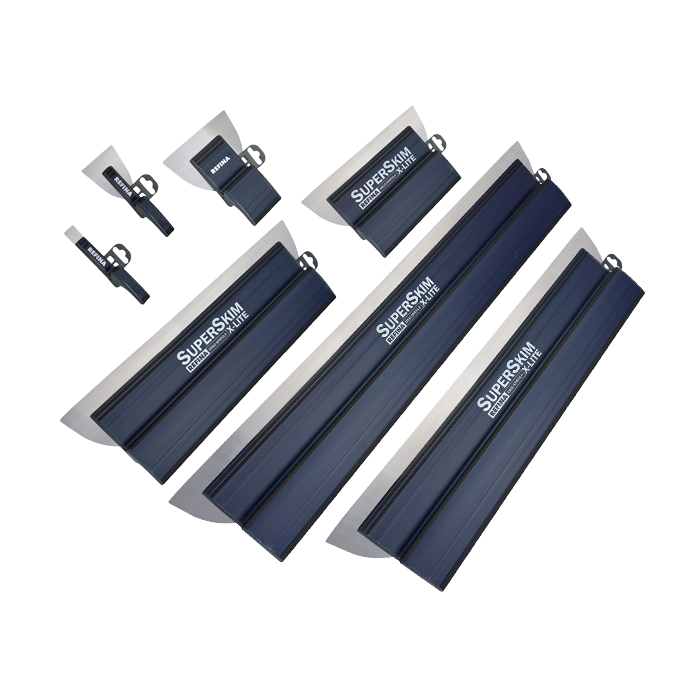
The PLAZIFLEX is available with 1.0mm, 1.5mm and 2.0mm interchangeable plastic blades, allowing plasterers to choose the level of flexibility best suited to their finishing technique. Combined with REFINA’s FLEXIBACK foam layer, the trowel provides a soft, supportive feel that helps maintain even pressure across the surface, making it easier to achieve exceptionally flat, polished finishes.
Many professional plasterers now incorporate a plastic finishing trowel into their standard skimming process, particularly when working with modern finishing plasters where achieving a flawless surface is essential.
Rigid vs Flexible vs Plastic Finishing Trowels
Although they all perform the same basic function, each type of plastering trowel excels at different stages of the skimming process.
Discover the difference between flexible vs rigid trowels and when to use each in our previous guide: The Complete Guide to Plastering Trowels
| Feature | Rigid | Flexible | Plastic Finishing |
| Best for | Laying on | Refining | Final polishing |
| Blade feel | Firm | Flexible | Forgiving |
| Pressure required | Higher | Medium | Light |
| Surface finish | Flattening | Smoothing | Polishing |
| Risk of trowel lines | Higher | Lower | Lowest |
| Burn marks | Possible | Reduced | Minimal |
Choosing the Right Blade Size
Plastering trowels are available in a range of sizes, and selecting the right one depends on the type of work you’re doing.
11″-13″ Trowels
Smaller blades offer excellent control in confined spaces. Because they’re lighter and easier to manoeuvre, they’re also popular with apprentices learning their technique.
14″-16″ Trowels
Often considered the all-round option, these sizes suit most domestic plastering jobs. They’re large enough to cover walls efficiently while remaining easy to control throughout the skim.
18″-20″ Trowels
Larger blades allow experienced plasterers to cover more surface area with fewer passes. While they improve efficiency, larger trowels require greater control and are generally better suited to experienced users.
Blade Shape: Rounded or Square?
The blade’s shape also influences the finish you achieve.
Rounded Corners
Rounded edges help the blade glide more smoothly across the plaster.
The key benefits include:
- Fewer edge marks
- Reduced need for clean-up
- Smoother finishing
- Less chance of digging into the surface
This is one reason many finishing trowels feature rounded corners.
Square Ends
Square-ended trowels provide greater precision when working into corners and along straight edges. They’re often preferred when accuracy around architectural details is more important than continuous finishing.
Choosing the Right Handle
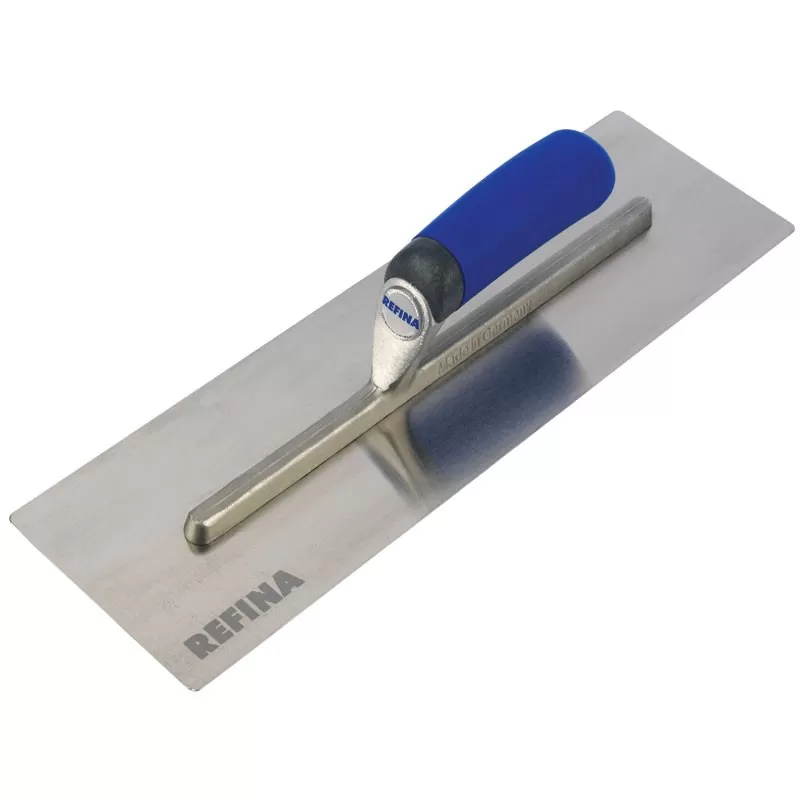
You may spend eight hours or more with a trowel in hand, making handle design an important consideration.
REFINA plastering trowels are available with a variety of handle styles, including:
- Soft grip handles
- Wood handle
- Cork handles
Choosing the Right Trowel for Better Results
There isn’t a single plastering trowel that’s perfect for every stage of skimming. The best finish is usually achieved by matching the tool to the plaster’s condition as it progresses through the job.
Combined with the right blade size, handle style and regular maintenance, choosing the correct trowel at each stage can improve finish quality, increase efficiency and reduce fatigue, helping you achieve consistently professional results on every skim.