A clear workflow helps ensure no critical steps are missed.
1. Inspection and Testing
Assess surface flatness, identify contamination, and carry out moisture testing. Confirm tolerance requirements before starting.
2. Removal of Existing Floor Coverings
Use floor strippers or grinders to remove old finishes completely. Partial removal almost always leads to bonding problems later.
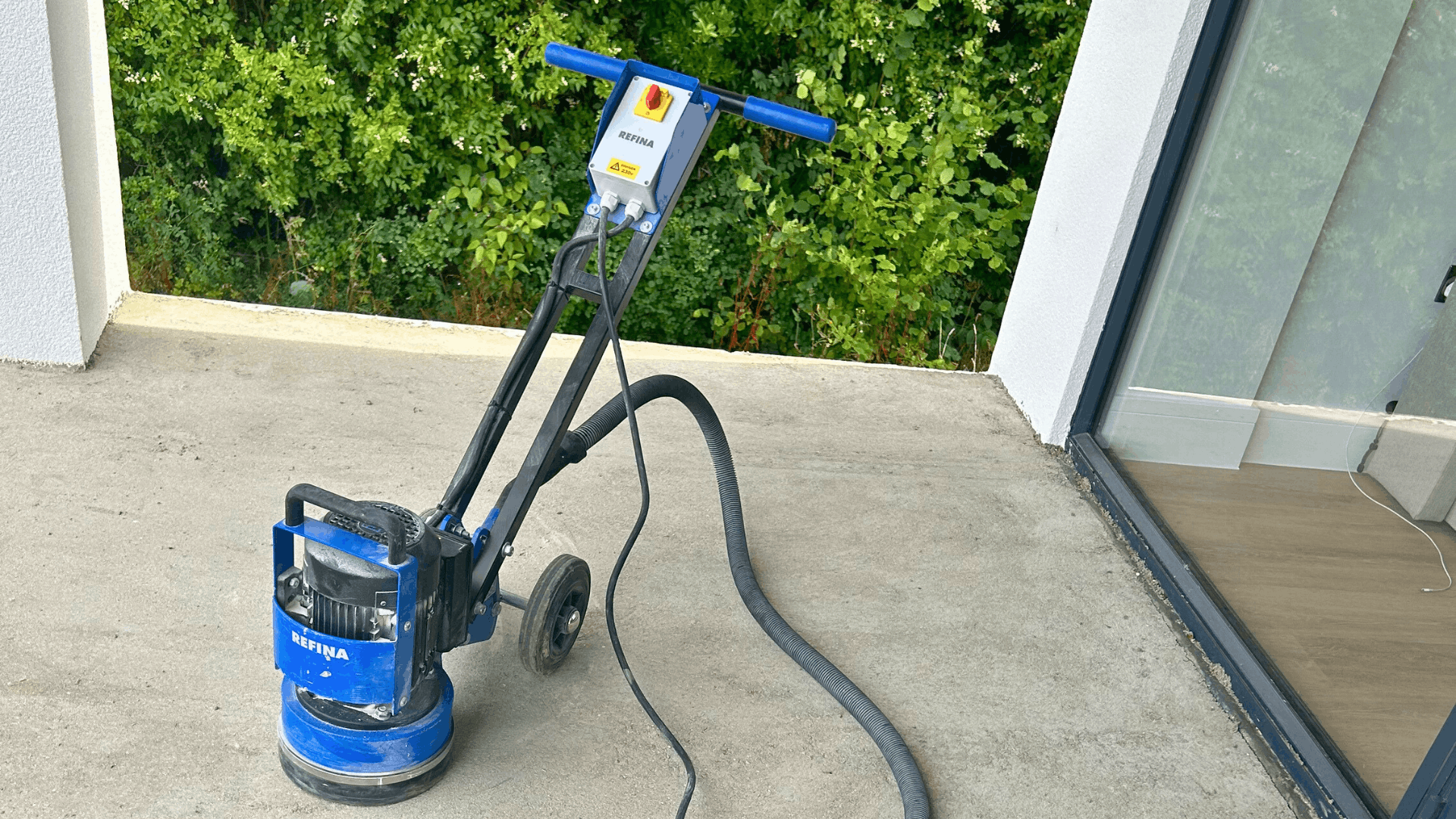
3. Mechanical Surface Preparation
Choose the appropriate method:
- Grinding for concrete and screed
- Sanding for timber
- Scabbling or blasting for heavily contaminated surfaces
The goal is a sound, evenly prepared substrate.
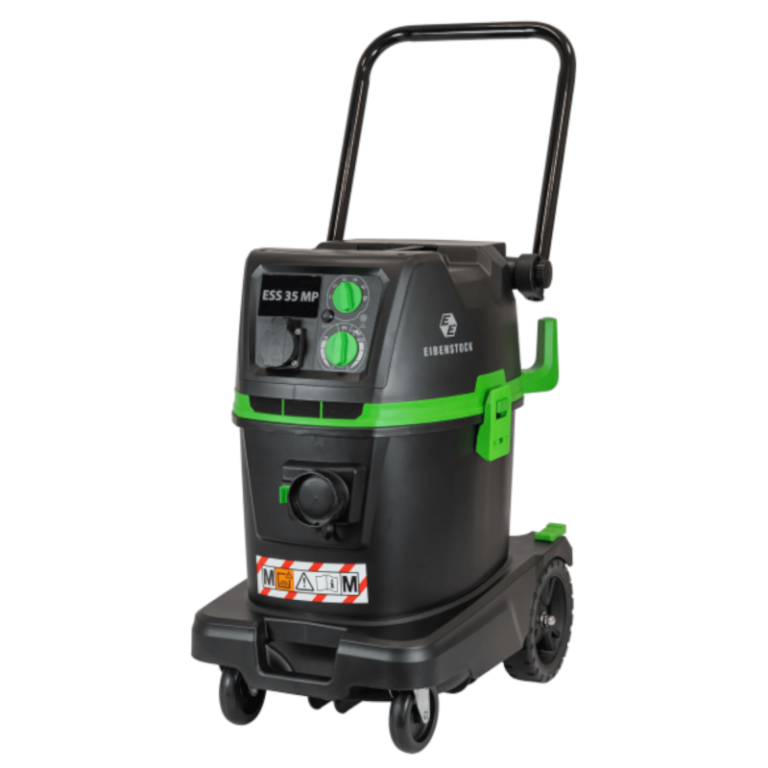
4. Cleaning and Dust Control
Thoroughly vacuum the surface using industrial extraction equipment. Cleanliness at this stage directly affects adhesion performance.
5. Priming
Apply the correct primer to control suction and promote bond strength between the substrate and smoothing compound.
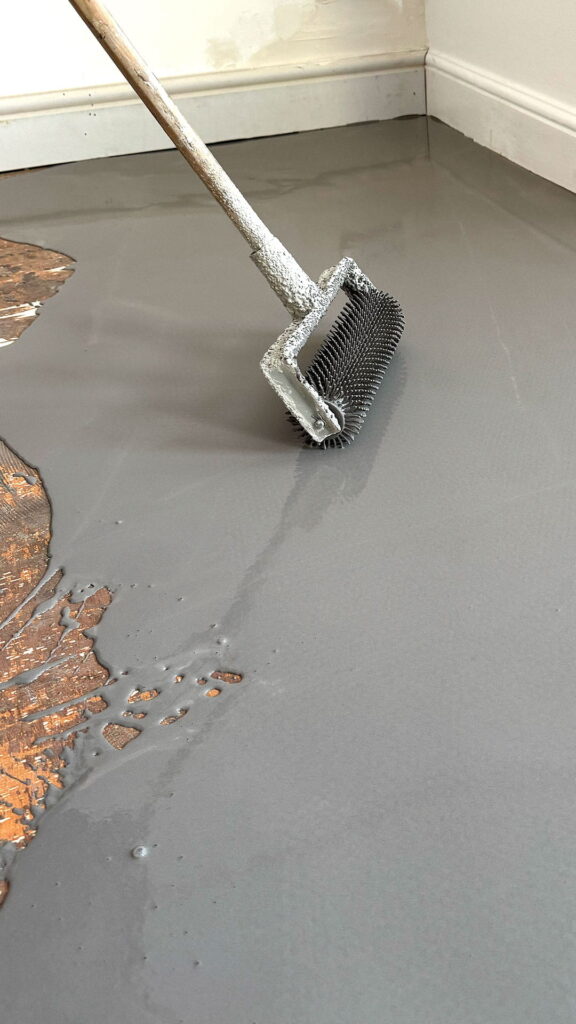
6. Mixing and Applying Smoothing Compounds
Mix accurately using mechanical mixers and apply evenly to achieve the required flatness tolerances.
7. Final Checks
Once cured, check flatness, surface integrity, and cleanliness before installing the LVT.