LOADING

Type to search

The Ultimate Guide to Plastering Tools for Different Jobs

Guides

The Ultimate Guide to Plastering Tools for Different Jobs

Share

When it comes to achieving a high-quality plaster finish, the tools you use are just as important as technique and material choice. Whether you are skimming a fresh plasterboard wall, applying render externally, repairing damaged surfaces or achieving a polished final finish, selecting the correct plastering tools can dramatically improve speed, consistency and overall finish quality.

Modern plastering demands tools that offer precision, durability and comfort during extended use. From stainless steel finishing trowels to specialist skimming spatulas and rendering equipment, each tool plays a specific role in helping tradespeople achieve professional results efficiently.

In this guide, we explore the most common plastering jobs, the essential tools required for each task, and how to choose the right equipment depending on the materials and finish required.

Why Choosing the Right Plastering Tools Matters

Professional plastering relies heavily on consistency and control. The correct tools help users:

  • Achieve flatter, smoother finishes
  • Reduce drag lines and surface imperfections
  • Increase efficiency across large areas
  • Improve material application consistency
  • Reduce fatigue during prolonged work
  • Extend tool lifespan with proper maintenance

Using unsuitable or low-quality tools can result in uneven finishes, wasted material and increased working time, particularly on larger projects.

Plastering Tools for Skimming

Essential Skimming Tools

Successful skimming relies on using the right tools at each stage of the plastering process: applying, flattening, finishing and polishing.

For the application and flattening stages, plasterers commonly use specialised skimming trowels designed to efficiently spread and level material across walls and ceilings. The FINATEX range is a popular choice for these stages, offering lightweight, durable trowels that help achieve a consistent surface ready for finishing.

Finishing Trowels

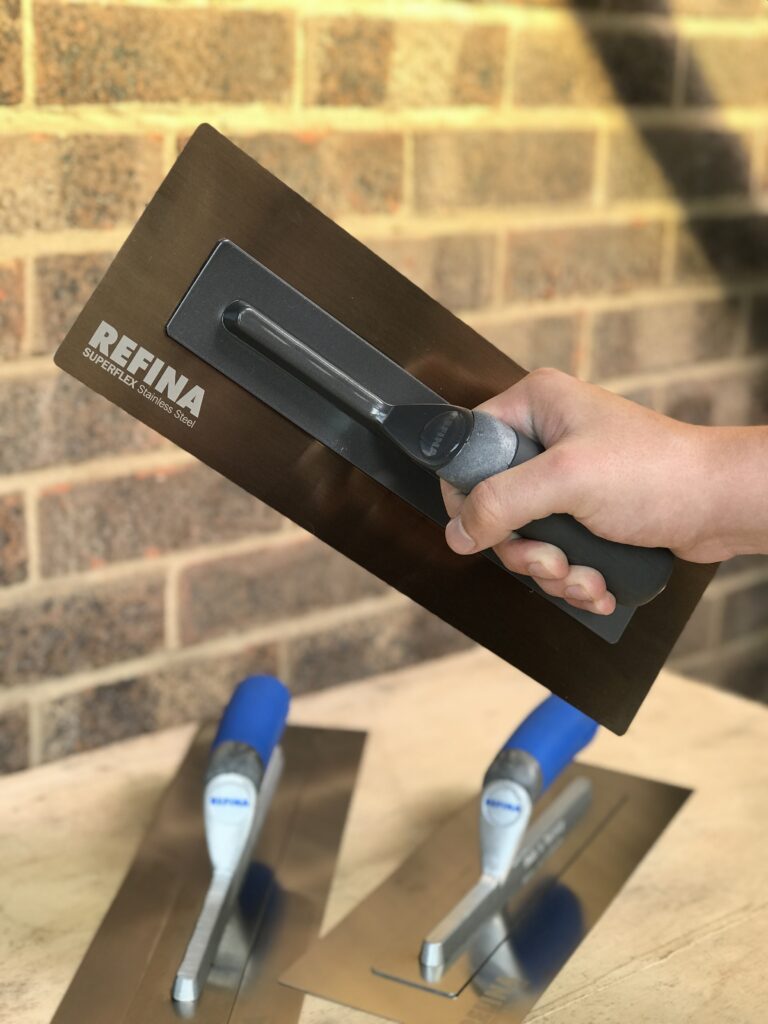
Finishing trowels are primarily used during the finishing and polishing stages of plastering, where achieving a smooth, blemish-free surface is critical. Stainless steel trowels remain the preferred choice for professional plasterers due to their durability, flexibility and ability to produce high-quality finishes.

The SUPERFLEX range is one of REFINA’s most popular finishing trowel collections, with key products including the SUPERFLEX-1, SUPERFLEX-2 Finishing Trowels and the SUPERFLEX-3 Rose Gold Finishing Trowel.

Key benefits include:

  • Smooth surface finishing
  • Excellent control during finishing and polishing stages
  • Reduced marking and drag lines
  • Long-term durability

Flexible finishing trowels are particularly effective during the final stages of plastering, helping achieve a polished finish with minimal surface imperfections.

Skimming Spatulas

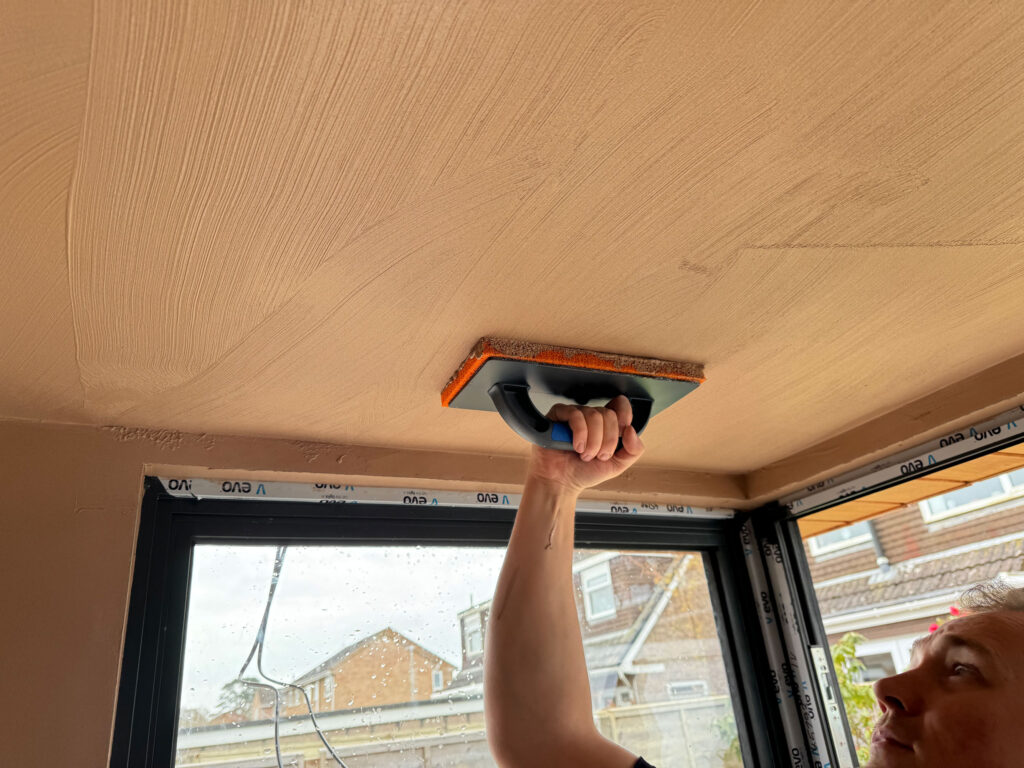
Large-format skimming spatulas are widely used in modern plastering, particularly when working across large wall and ceiling areas. They enable plasterers to cover greater surface area with fewer passes while maintaining even pressure and a smooth, consistent finish.

 The X-SKIM range is a popular choice within the industry, known for its durability and control during finishing work. Alongside this, the SUPERSKIM X-LITE has been developed as a separate lightweight range, offering a design that is 25% lighter than traditional large-format spatulas to help improve handling and reduce fatigue during extended use.

Benefits include:

  • X-SKIM allows for large plastic blade use, making it particularly effective for flattening ceilings
  • Faster application and flattening of plaster across large surfaces
  • Improved surface consistency and finish quality
  • Reduced user fatigue compared to traditional trowels
  • Easier handling on ceilings and high wall areas
  • Reduced need for additional finishing work

Flexible skimming spatulas are particularly effective when working with finishing plasters and drywall compounds, helping to minimise trowel marks while speeding up the flattening process.

Hawks

A plastering hawk is used to hold plaster while working, allowing quick and controlled loading of the trowel.

Modern lightweight hawks help reduce wrist strain and improve comfort during extended use. Aluminium and composite hawks are commonly preferred due to their balance of strength and reduced weight.

Plastering Tools for Rendering

Rendering requires tools capable of handling heavier materials and larger build-ups while maintaining control across exterior surfaces.

Rendering Trowels

Rendering trowels are generally larger and more robust than standard finishing trowels, allowing users to apply thicker materials efficiently.

These tools are ideal for:

  • Cement renders
  • Monocouche renders
  • External wall systems

A rigid blade profile is often preferred for rendering to help maintain even material distribution.

Notched Spatulas

Notched spatulas are commonly used for the application of top coat monocouche renders, helping to evenly distribute material across the surface while reducing the risk of trapped air pockets. Their square-notched blade creates a consistent finish and promotes uniform material coverage.

Typically featuring a lightweight aluminium frame, rigid grip handle and stainless steel blade, notched spatulas are available in a range of sizes to suit different project requirements and working areas.

Straight Edges and Darbies

Straight edges and darbies are essential for levelling render and ensuring flatness across larger surfaces.

Benefits include:

  • Improved surface accuracy
  • Faster ruling and levelling
  • Reduced high spots and hollows
  • Better consistency before final finishing

Longer profiles are especially useful when working on expansive wall areas.

Plastering Tools for Patching and Repair Work

Repair work often requires smaller, more precise tools that allow users to work accurately in confined areas.

Essential Repair Tools

Small Trowels and Margin Trowels

Small trowels are ideal for:

  • Patch repairs
  • Tight corners
  • Small filling work
  • Detail finishing

Margin trowels provide greater precision where larger trowels would be difficult to control.

Jointing and Filling Knives

Filling knives are commonly used for applying fillers, smoothing compounds and preparing surfaces before decorating.

Flexible blades help feather edges cleanly into surrounding surfaces for a more seamless repair.

Mixing Equipment

Consistent material preparation is essential for repair work. High-quality mixing paddles and buckets help ensure plaster and fillers remain lump-free and workable.

Efficient mixing improves:

  • Material consistency
  • Working time
  • Adhesion performance
  • Finish quality

Plastering Tools for Finishing and Polishing

Final finishing stages require precision and control to achieve smooth, polished surfaces ready for decoration.

Essential Finishing Tools

Flexible Finishing Trowels

Flexible trowels help refine the surface during later polishing stages by adapting slightly to the wall surface while maintaining even pressure.

They are especially effective for:

  • Final trowelling
  • Burnishing plaster
  • Polishing finishing coats
  • Reducing drag marks

Sponge Floats

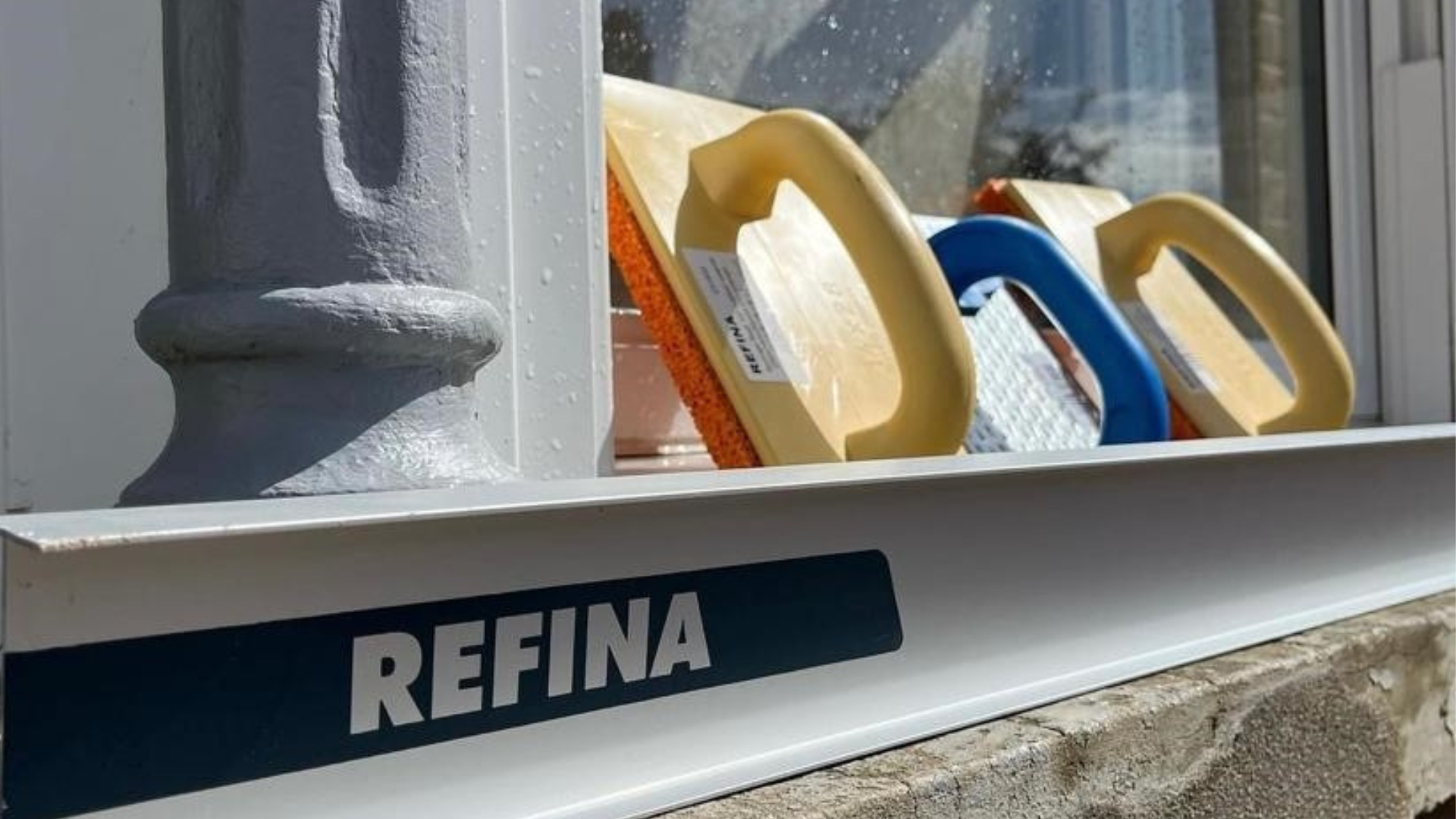
Sponge floats are commonly used with renders and decorative finishes to create uniform textures or reactivate surface moisture during finishing.

They can also help reduce minor surface imperfections before final curing.

Plastic and Rubber Floats

Plastic and rubber floats are ideal for textured finishes, silicone renders and decorative coatings where traditional steel trowels may leave unwanted marks.

Choosing Plastering Tools Based on Material Type

Different plastering materials require different tool characteristics to achieve the best possible finish.

Gypsum Finish Plasters

For gypsum finishing plasters, flexible stainless steel tools are often preferred due to their ability to produce smooth finishes with minimal marking.

Recommended tools:

  • Flexible finishing trowels
  • Skimming spatulas
  • Lightweight hawks

Cement-Based Renders

Cement renders require stronger, more rigid tools capable of handling heavier materials.

Recommended tools:

  • Rigid rendering trowels
  • Straight edges
  • Darbies
  • Notched trowels

Decorative and Thin-Coat Finishes

Decorative finishes often require specialist floats and flexible finishing tools depending on texture requirements.

Recommended tools:

  • Plastic floats
  • Sponge floats
  • Flexible trowels

Selecting the Right Tools for Professional Results

Every plastering job presents different challenges, from large-scale skimming and rendering to detailed patch repairs and decorative finishing. Choosing the correct tools for each stage not only improves finish quality but also helps increase efficiency, consistency and comfort on site.

Modern plastering tools are designed to help tradespeople work faster while maintaining the high standards expected across professional finishing work. By understanding the role each tool plays and matching equipment to both material type and application, plasterers can achieve smoother finishes with greater control and reduced effort.

Whether working on internal skimming, external rendering or repair work, investing in high-quality plastering tools remains one of the most effective ways to improve both productivity and finish quality.

Leave a Comment