How to Remove Old Adhesive, Paint or Screed Using Diamond Grinding Equipment
Preparing a surface properly is one of the most important steps in any flooring or refurbishment project. Whether you’re installing new flooring, applying coatings, or preparing a substrate for further construction work, the existing surface must be clean, level, and free from contaminants. Old adhesive residues, paint layers, and hardened screed can all interfere with bonding and compromise the durability of the finished installation.
Diamond grinding equipment has become one of the most reliable and efficient solutions for removing these stubborn surface layers. Using industrial diamond segments attached to specialised grinders, contractors can remove residues quickly while leaving the substrate smooth, level, and ready for the next stage of work. This guide explains the types of residues commonly encountered on construction sites.
Understanding Common Surface Residues
Before selecting a removal method, it is important to understand the types of residues that are commonly found on concrete floors and screeded surfaces. Each material behaves differently and requires slightly different preparation techniques.
Adhesive Residues
Old flooring adhesives are among the most common challenges encountered during renovation or refurbishment projects. Adhesives used for vinyl, carpet tiles, and wood flooring often leave behind a thick, sticky layer that bonds strongly to the substrate.
Over time, these adhesives can harden and become uneven, creating ridges and patches that prevent new flooring from sitting flat. In some cases, older adhesives may also contain compounds that react poorly with modern flooring systems if not fully removed.
Mechanical removal using diamond grinding allows contractors to strip adhesive layers effectively without damaging the concrete beneath.
Paint and Coating Layers
Paint and protective coatings are often applied to concrete floors in industrial buildings, warehouses, and garages. While these coatings may have served their original purpose, they can become problematic when the space is renovated or repurposed.
Paint layers can prevent new coatings, levelling compounds, or adhesives from bonding properly to the substrate. Some coatings are also extremely durable and resistant to chemical stripping methods.
Diamond grinding offers a controlled mechanical method of removing these coatings while simultaneously preparing the surface for new applications.
Screed and Levelling Compounds
Old screed layers or levelling compounds can also create issues during refurbishment projects. These materials may have been applied unevenly, cracked over time, or become incompatible with modern flooring systems.
Removing or reducing screed thickness using grinding equipment allows contractors to restore a flat surface and prepare the substrate for a new screed or flooring installation.
Why Diamond Grinding Is the Preferred Solution
There are several methods available for removing surface residues, including chemical stripping, shot blasting, and scarifying. However, diamond grinding has become the preferred approach for many contractors because it provides a combination of efficiency, control, and surface preparation.
Precision Surface Removal
Diamond grinding tools are designed to remove surface material gradually while maintaining control over the grinding depth. This allows removal of adhesives, coatings, or thin screed layers without causing significant damage to the underlying concrete.
This level of precision is especially important when preparing surfaces for flooring systems that require tight tolerances and flatness.
Simultaneous Surface Preparation
Unlike some removal methods that only strip away materials, diamond grinding also refines the substrate’s surface texture. This process creates a slightly roughened surface profile that improves the bond of adhesives, coatings, or levelling compounds applied afterwards.
In many cases, grinding can both remove residues and prepare the surface in a single step.
Improved Efficiency on Site
Diamond grinding machines can cover large areas quickly. Modern grinding equipment also allows contractors to adjust the aggressiveness of the grinding action by selecting different diamond segment types or grit levels.
This flexibility allows contractors to adapt to different materials and surface conditions without switching equipment.
Choosing the Right Diamond Grinding Equipment
Selecting the correct equipment is essential for achieving efficient removal and consistent surface preparation. Several factors should be considered when choosing a grinder and diamond tooling.
Grinder Types
Floor grinders come in a variety of sizes and configurations, ranging from handheld units to large walk-behind machines.
Handheld grinders are often used for small areas, edges, or tight spaces where larger equipment cannot reach. These tools are particularly useful for removing paint or adhesive around walls and corners.
Walk-behind grinders are better suited to larger floor areas. These machines provide greater stability and allow operators to cover large surfaces quickly while maintaining consistent pressure on the grinding segments.
The choice between handheld and larger grinding equipment typically depends on the scale of the project and the accessibility of the working area.
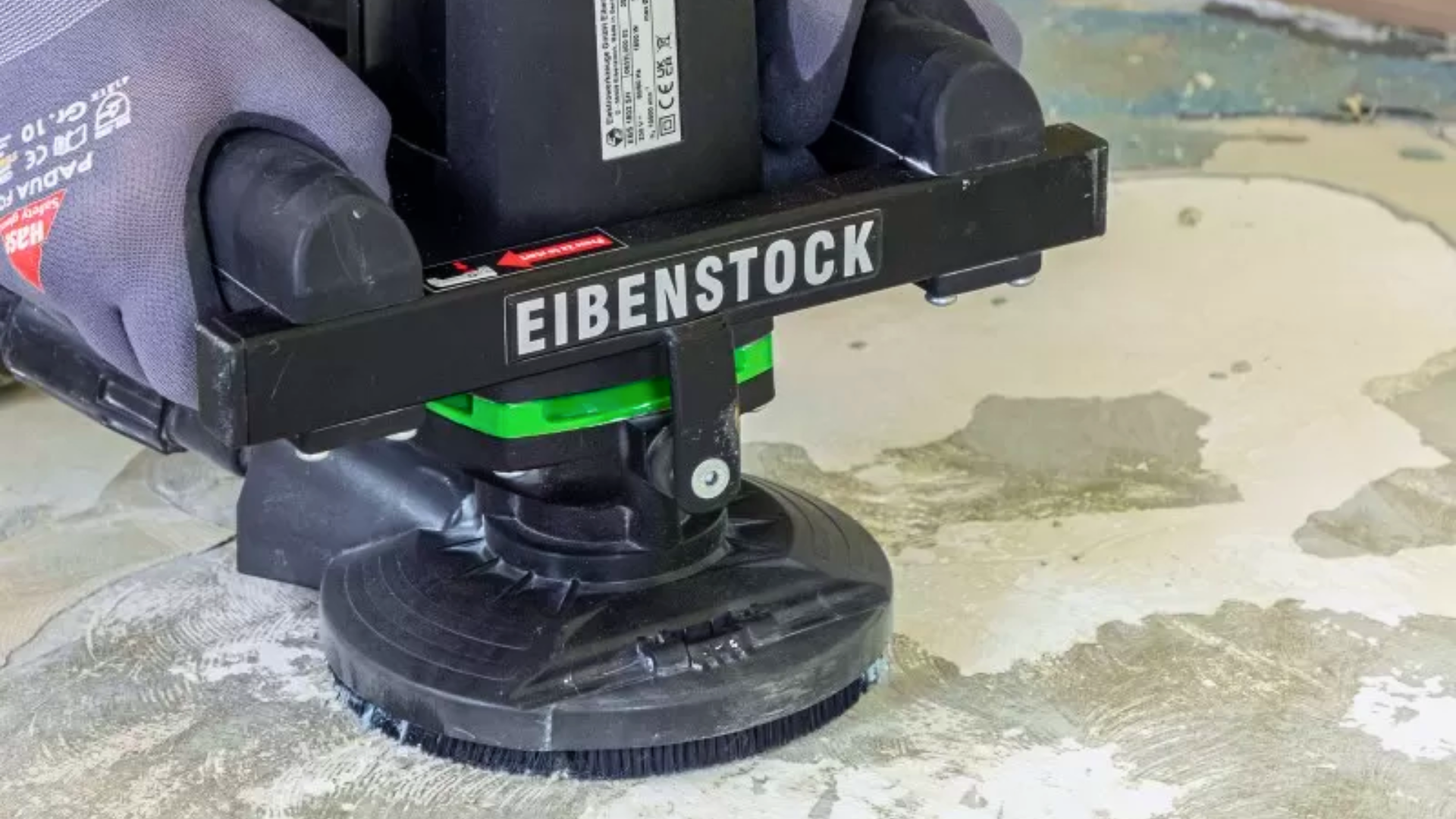
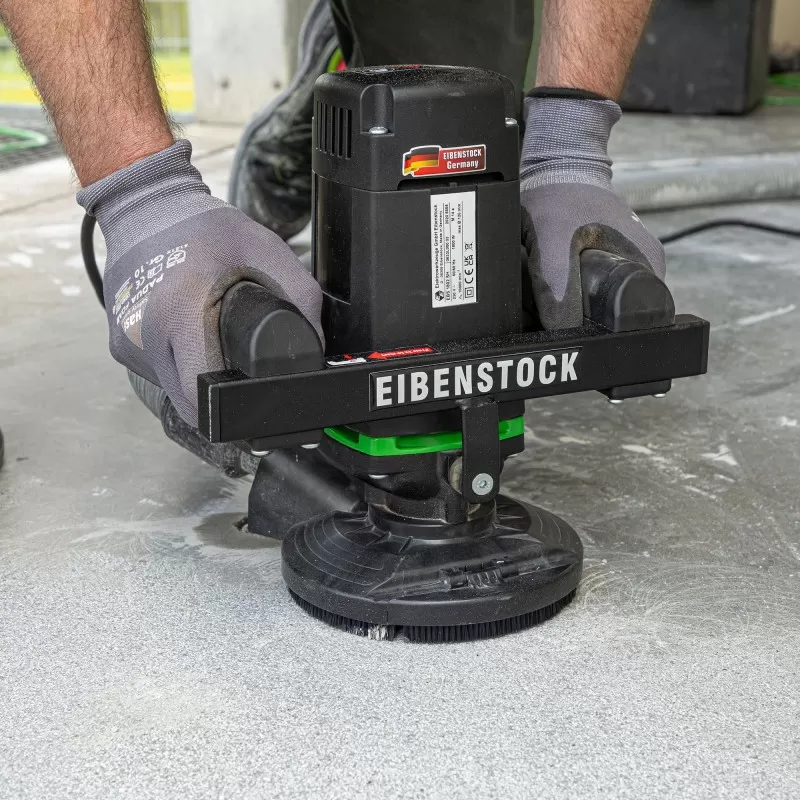
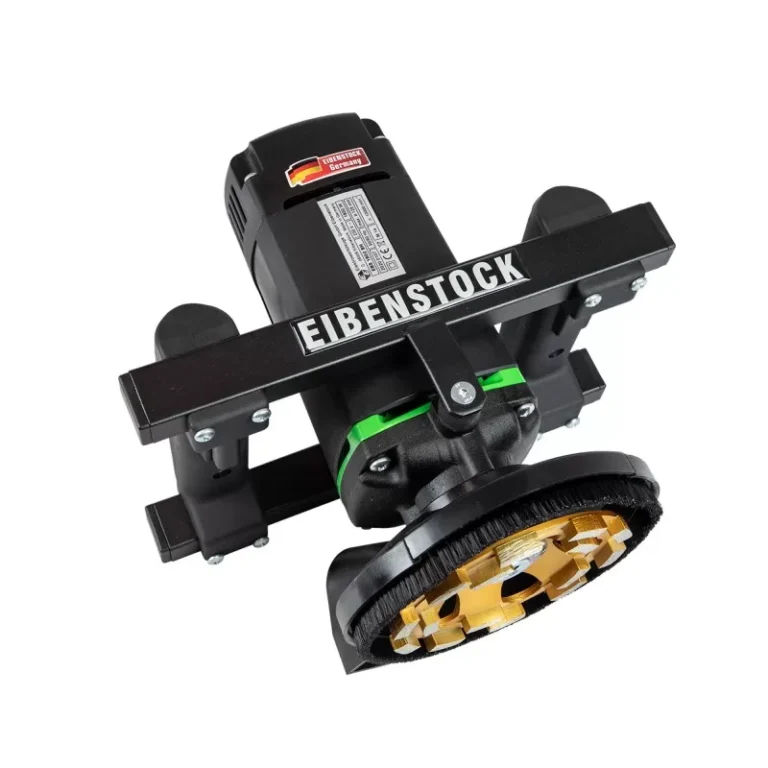
Powerful 1650W motor, low-vibration H-handle, removable guard & Dustex vacuum compatible hood.
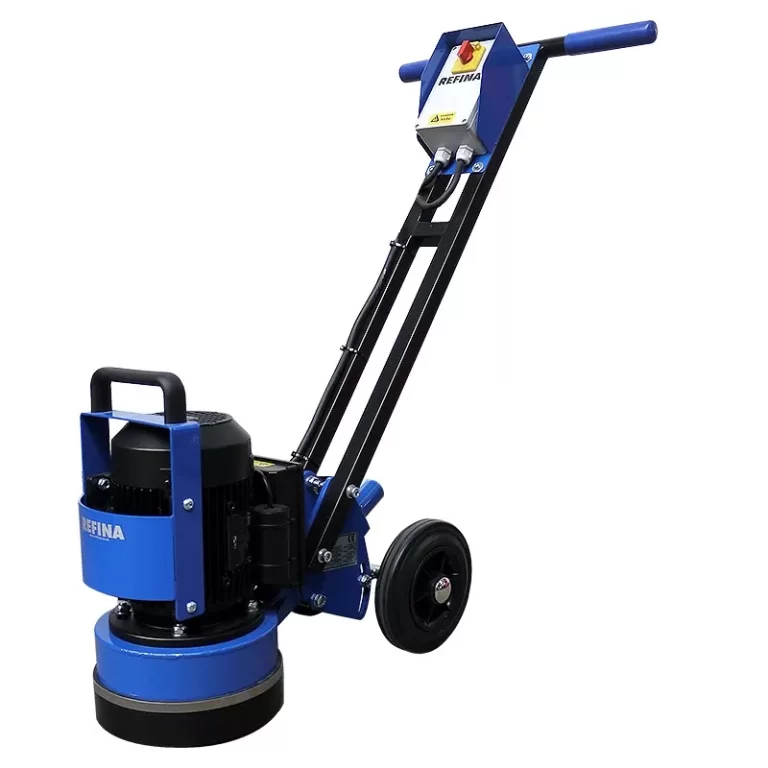
9″ twin handle diamond floor grinder, prepares up to 40m² per hour.
Diamond Segment Type and Bond Strength
Diamond grinding discs are available in different segment designs and bond strengths, which play a key role in how the tool performs on different materials.
Soft bond segments are designed for hard materials such as granite, stone, and dense concrete. The bond wears away more quickly, which continuously exposes fresh diamond particles. This ensures effective cutting performance on tough surfaces, where diamond wear is slower.
Medium bond segments are considered general-purpose and offer a balanced performance across a wide range of materials. They provide a good mix of durability and cutting efficiency, making them suitable for varied site conditions.
Hard bond segments are best suited to soft, abrasive materials such as asphalt. These materials wear diamond tooling quickly, so a harder bond is needed to hold the diamond particles in place for longer, extending tool life.
Choosing the correct bond type is essential for performance and durability. Using the wrong bond can lead to glazing (where a bond is too hard for the material and the diamonds stop cutting effectively) or excessive wear (where a bond is too soft and the segment wears down too quickly).
Step-by-Step Workflow for Removing Residues
Following a structured workflow ensures that the grinding process is both efficient and effective.
Step 1: Assess the Surface
Before beginning any grinding work, inspect the surface carefully. Identify the types of residues present, their thickness, and the condition of the underlying concrete or screed.
This assessment helps determine the appropriate grinding equipment and diamond segments required for the task.
Step 2: Prepare the Work Area
Remove loose debris, furniture, or obstructions from the area. Ensuring the floor is clear allows the grinder to move smoothly and prevents interruptions during grinding.
If working indoors, consider isolating the area to prevent dust from spreading to other parts of the building.
Step 3: Install the Correct Diamond Tooling
Attach the appropriate diamond grinding segments to the machine based on the type of residue being removed. For thicker adhesives or screed layers, start with a coarser grit to achieve faster material removal.
Ensure the tooling is installed securely and the grinder is properly configured before starting.
Step 4: Begin Grinding the Surface
Start grinding the floor using steady, overlapping passes. Moving the grinder slowly and evenly ensures consistent removal across the entire surface.
Avoid applying excessive pressure, as the machine’s weight and the cutting action of the diamonds are designed to perform the work effectively.
Step 5: Inspect and Adjust
After completing the initial passes, inspect the surface to ensure the residue has been removed evenly. If required, switch to a finer diamond grit to refine the surface and achieve the desired finish.
This stage ensures the floor is fully prepared for the next stage of the project.
Step 6: Final Cleaning
Once grinding is complete, vacuum the floor thoroughly to remove any remaining dust or debris. A clean surface ensures proper adhesion for coatings, adhesives, or new screed layers.
Achieving Reliable Surface Preparation
Removing old adhesive, paint, or screed is a critical step in preparing floors for new installations. Diamond grinding equipment provides a reliable and efficient method for tackling these materials while also preparing the substrate for the next stage of construction or refurbishment.
By selecting the appropriate grinding equipment, using appropriate diamond tooling, and following a structured workflow, contractors can quickly remove stubborn residues while achieving a clean, consistent surface.
Combined with proper dust extraction and safety practices, diamond grinding remains one of the most effective approaches for professional surface preparation in modern construction and renovation projects.